
Germany Journal: Day 1

I’m in Germany now together with CANVAS curator J Pacena, thanks to a two-week travel grant from the German Federal Cultural Foundation.
The purpose of the trip is both simple and ambitious: to find a cultural institution that could become CANVAS’ long-term partner as we build the Tumba-Tumba Children’s Museum of Philippine Art.
The grant is part of Germany’s effort to strengthen cultural relationships with organizations in countries that have not traditionally been the focus of German cultural cooperation. If all goes well, we hope to identify one museum whose vision closely matches ours. Together, we would then attempt to design a four-year program of artistic collaboration that could be supported by German funding from 2027 to 2031.
We’re particularly interested in children’s museums whose work brings together art, storytelling, participation, and sustainability.
Some of the possibilities are exciting to imagine. We could co-design permanent interactive installations for both our museums. We could organize staff exchanges so our teams learn from one another.
Or perhaps most interestingly, we could spend the next several years asking the same question together: How do museums intentionally cultivate imagination in children?
To begin our two-week visit, I arranged a special walking tour with Maggie McMenamy, or simply, Maggie The Tour Guide, who came very highly recommended. I wanted our first day simply to ground us and give us the context we would need to better understand the people and places we would be encountering.
So, prior to coming, I emailed Maggie and requested that she design a walk just for us, and to show us not simply Berlin’s famous landmarks, but the places that reveal how Germany chooses to remember its own history.
Among the places she took us to was the Memorial to the Sinti and Roma.
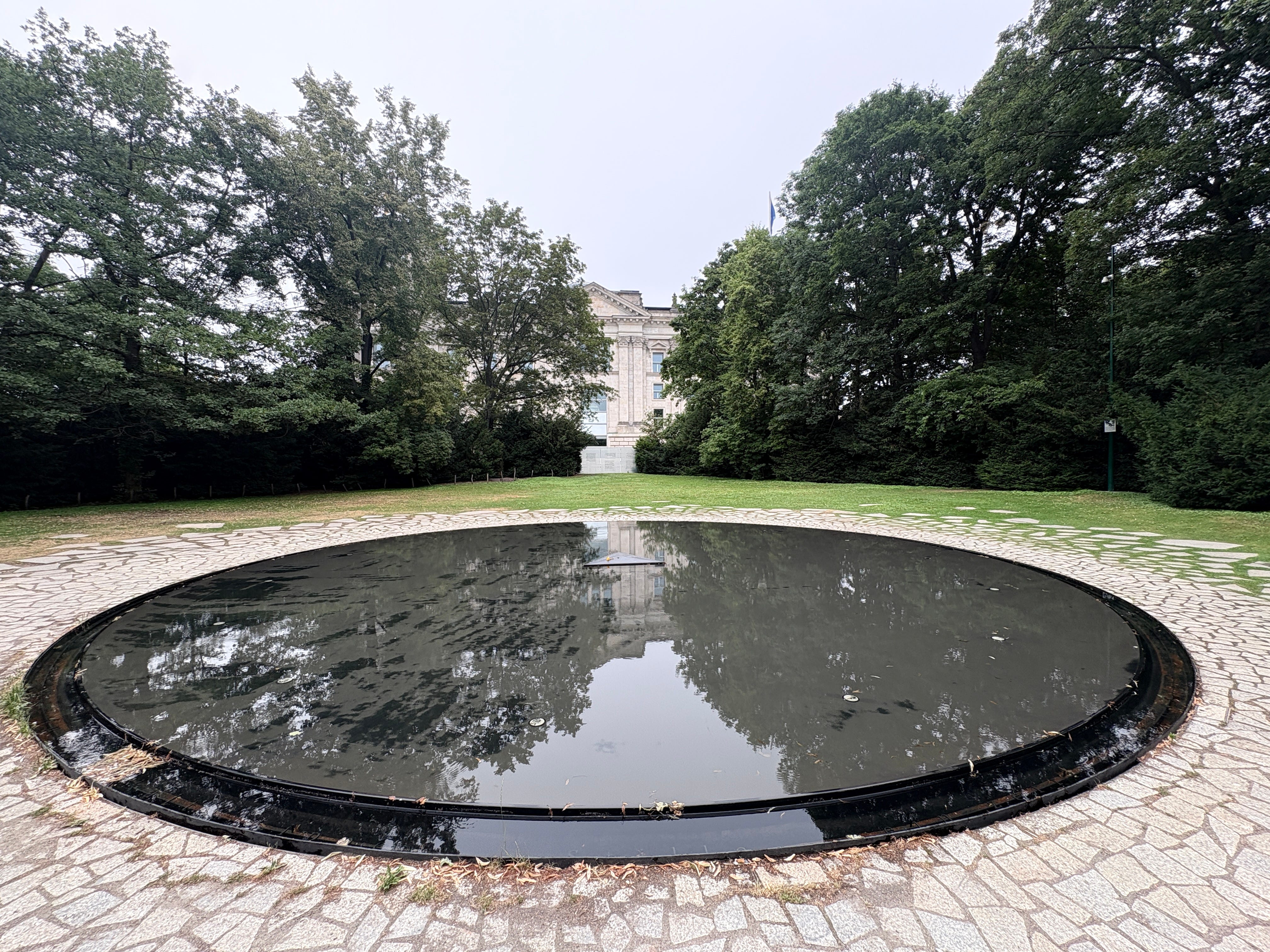
Most people know about the millions of Jews murdered during the Holocaust. Far fewer know that hundreds of thousands of Sinti and Roma — often referred to as Gypsies — were also systematically persecuted and exterminated by the Nazis.
The memorial itself is remarkably understated.
At its center is a still reflecting pool. Floating in the middle is a black triangular stone holding freshly cut flowers. Beyond the line of trees, framed almost perfectly by a gap that seems deliberately carved into the landscape, stands the Bundestag — Germany's federal parliament — with a direct view of the memorial.
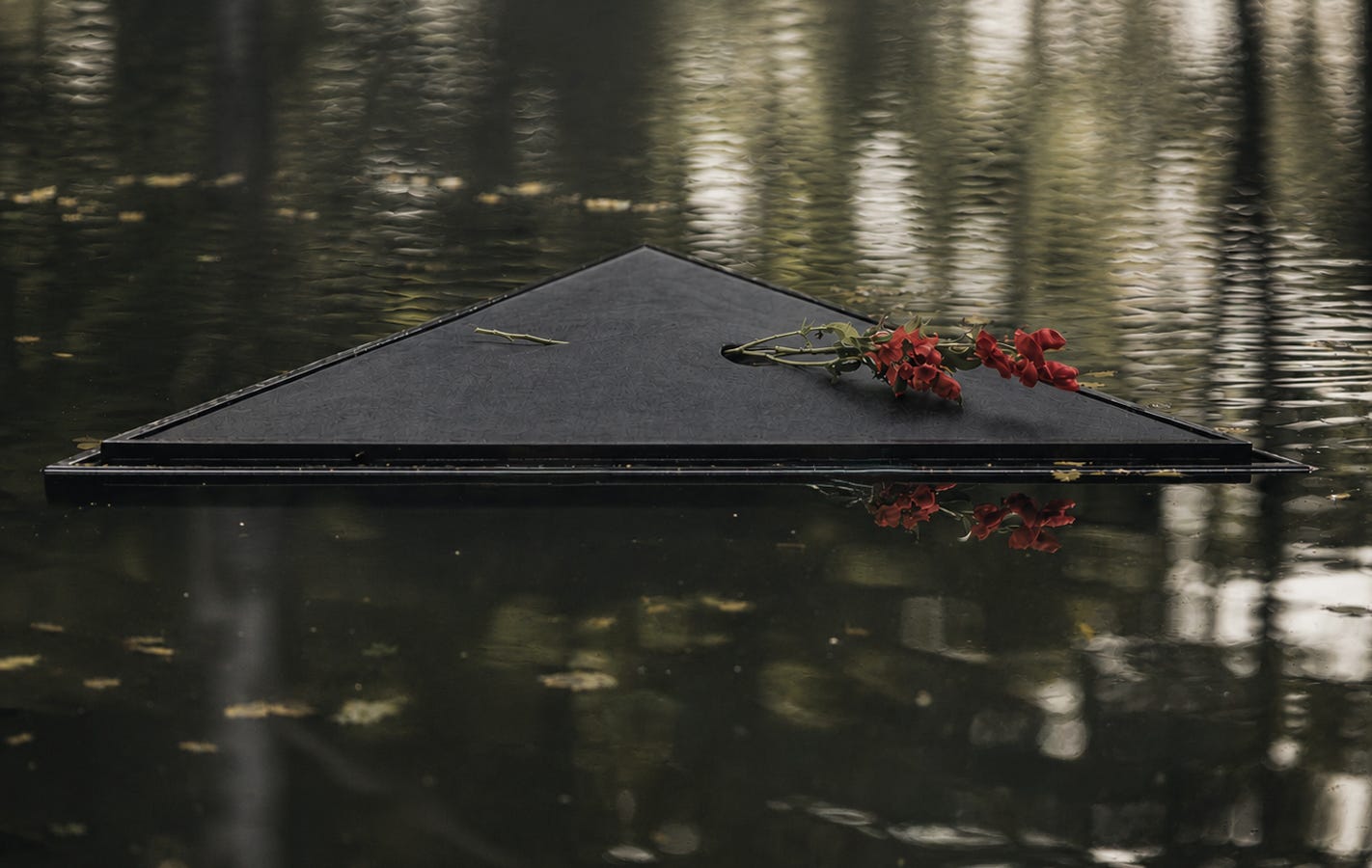
The black triangle was not chosen for its aesthetics. During the Nazi regime, black triangles were sewn onto the clothing of Sinti and Roma prisoners, marking them as people the regime considered inferior and unworthy of life.
Around the memorial are stone tablets bearing the names of extermination camps where countless Sinti and Roma were murdered.
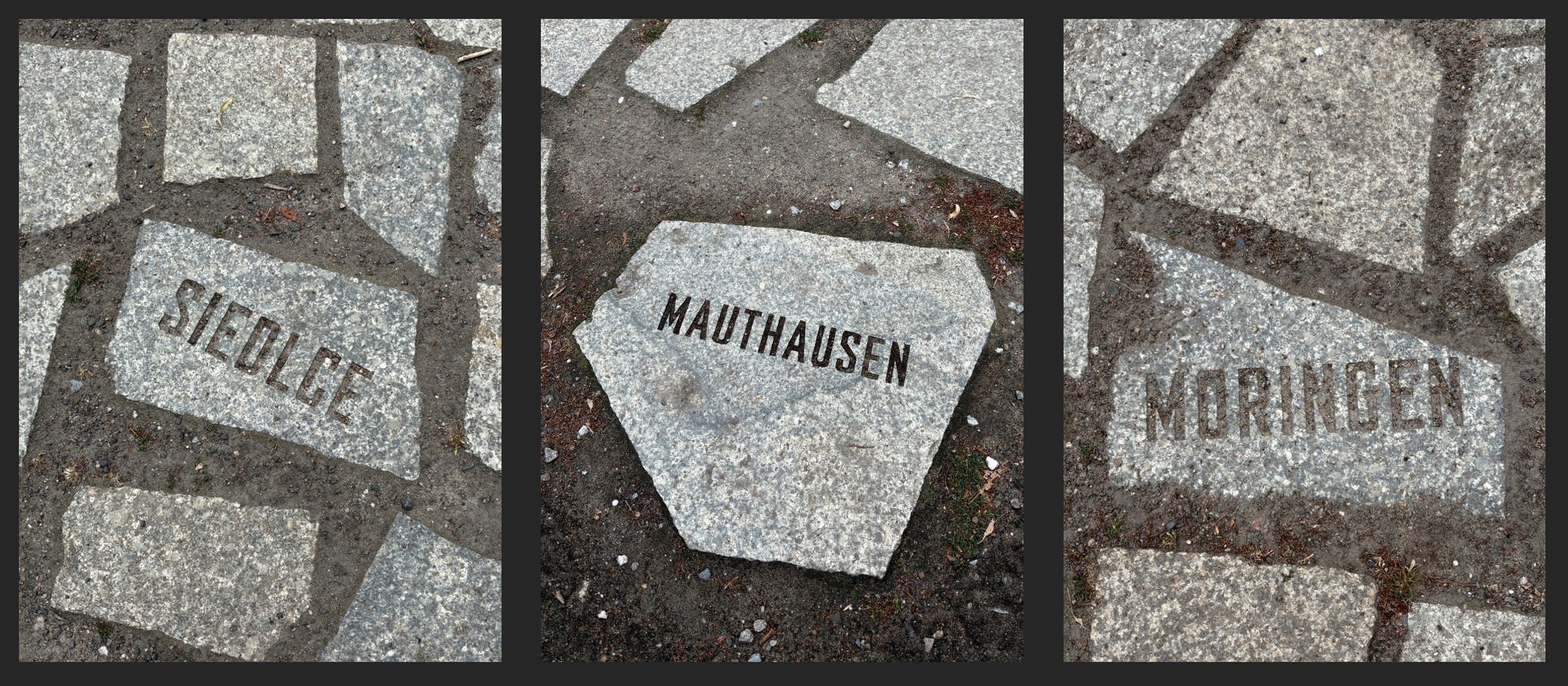
Every day, at an appointed hour, the black stone slowly descends beneath the water.
A member of Germany’s parliament then walks from the Bundestag, only a few hundred meters away, and places a fresh flower at its center.
Every single day.
When we build memorials, who are they really for?
The obvious and easy answer is everyone. They are for future generations. They are for visitors. They are for anyone willing to learn from history.
But standing beside this memorial, another answer became clear.
They are also, and maybe should primarily be, for those who hold power.
By requiring a member of parliament to perform this quiet daily act of remembrance, Germany is making a statement.
This memorial is meant for you.
For the people who make laws.
For the people entrusted with power.
For the people who must constantly remind themselves of what can happen when governments stop seeing some human beings as fully human.
Memory cannot be allowed to remain passive.
It has to be part of governance.
Later that day we visited another place with a very different lesson.
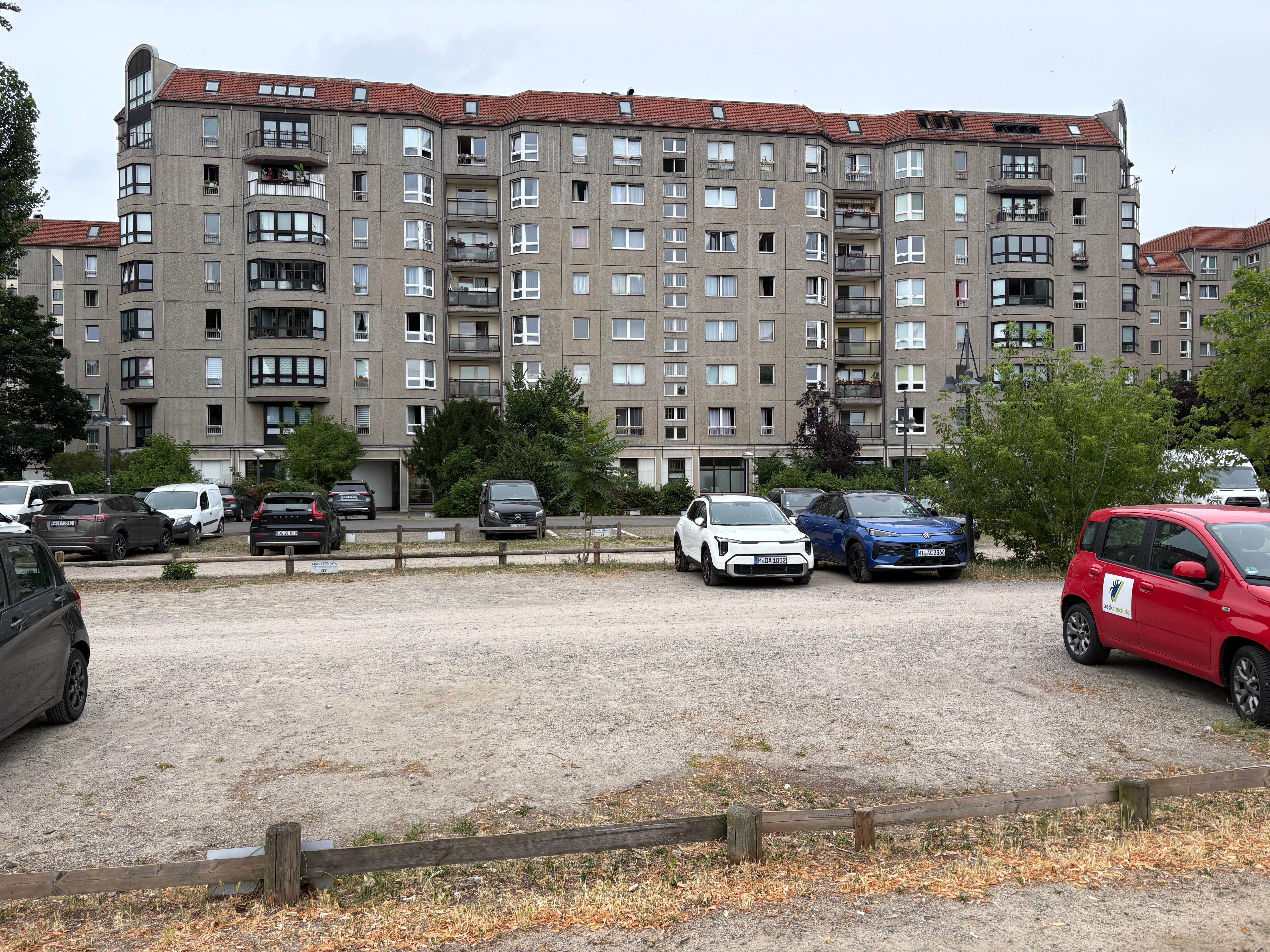
This was where Adolf Hitler spent his final hours before taking his own life.
There is no monument. No grand marker. No shrine.
The site is now just a parking lot. And, the precise location of where he shot himself is reportedly this parking space reserved for the building’s janitor.
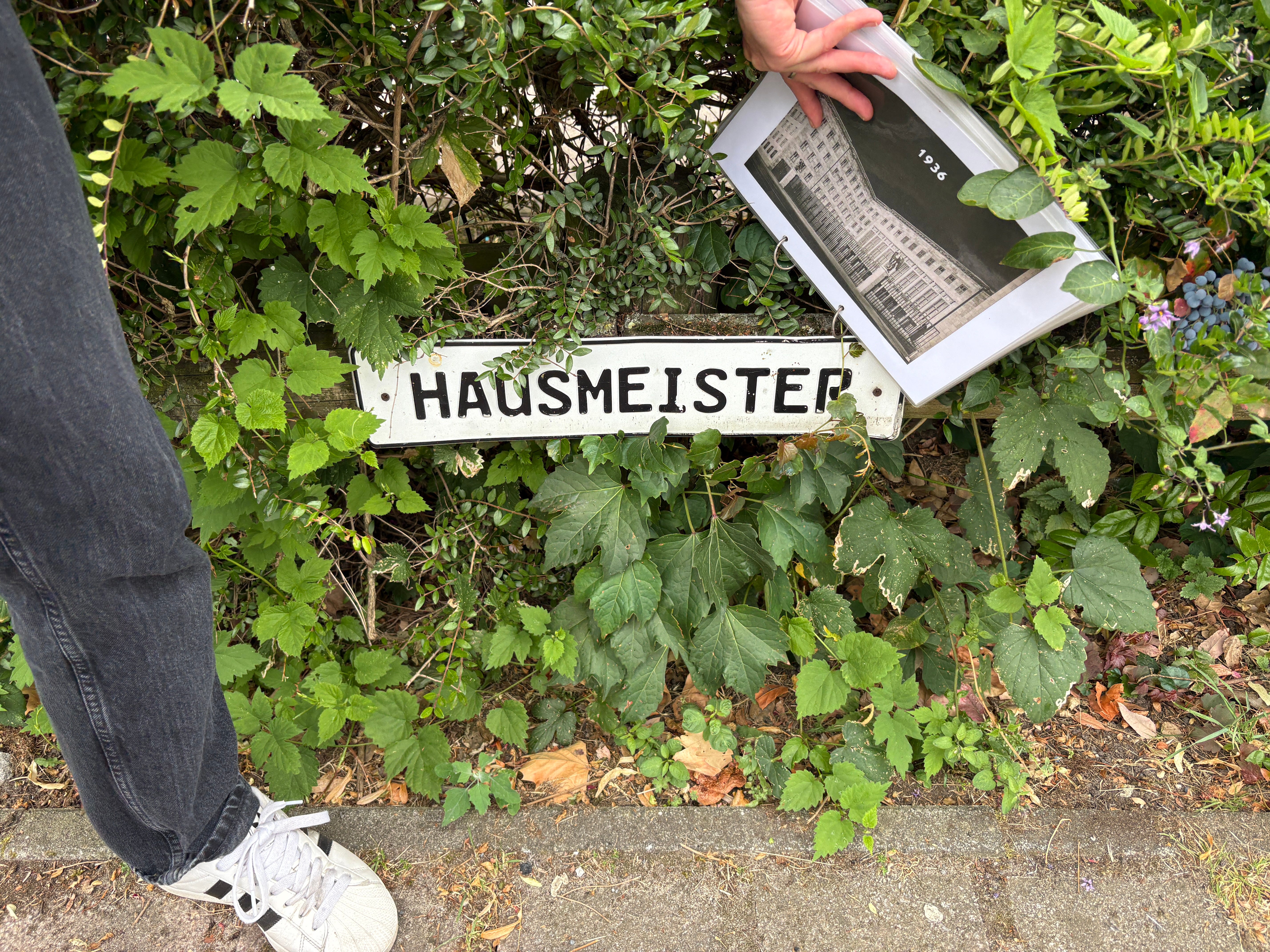
History records what happened there. Books and schools teach it.
But Germany has deliberately chosen not to memorialize the man himself.
That's the second lesson I took from this walk: remembering is not simply about preserving the past. It is also about choosing who and what we honor with memorials— and who and what do not deserve a place in our public memory.
In the Philippines, despite a law — one that even provides a substantial budget, I should add — requiring its establishment, we still do not have a museum dedicated to the years of martial law.
Not as a monument to politics, and not to reopen old wounds.
But as a place where our children can learn what happened.
A place that reminds: This happened. It can happen again. And that is why we must #neverforget.
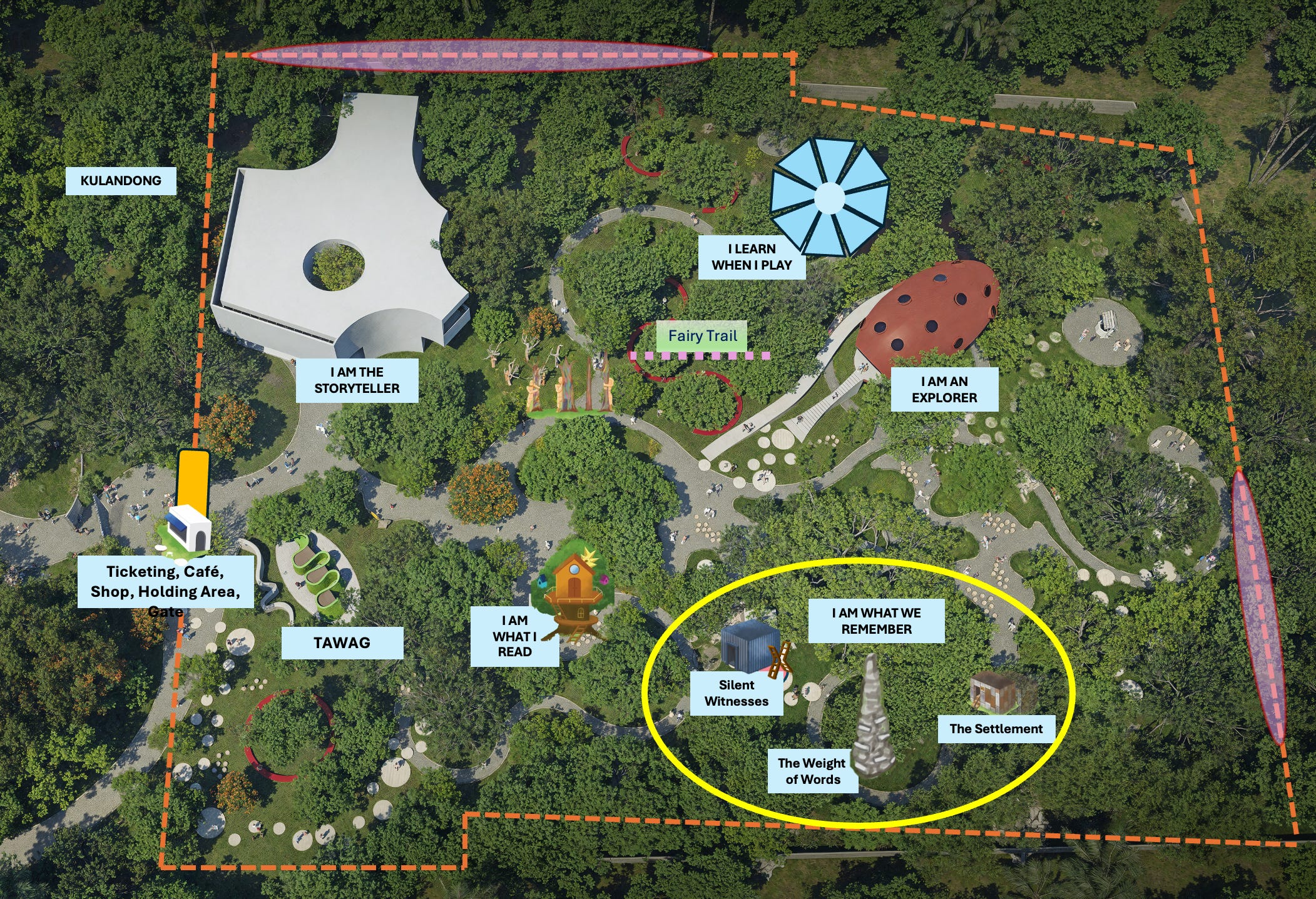
It is for this reason that we have long planned to include I Am What We Remember, a section on human rights and memory at Tumba-Tumba. We already have the plans, artworks and artists lined up, and we believe that we can create the unique and meaningful experience that visitors — especially children — will remember.
This tour gives us even more lessons and reasons to push forward.
Day 1 was a wonderful start to this study/partner-seeking tour.
P.S. If you find yourself in Berlin, we can’t recommend Maggie highly enough. You can find her here. Thank you, Maggie!

P.S. In Case You Need This
Berlin is also known for its graffiti. It is the visible expression of several forces coming together: a history of rebellion, the reunification of the city after the fall of the Wall, and a long-standing culture that sees street art less as vandalism and more as part of the city's identity — one that values creativity, diversity, and the freedom to express both.
For the last part of our tour, Maggie took us to one of Berlin’s neighborhoods to give us a glimpse of the city’s famed street art.


