

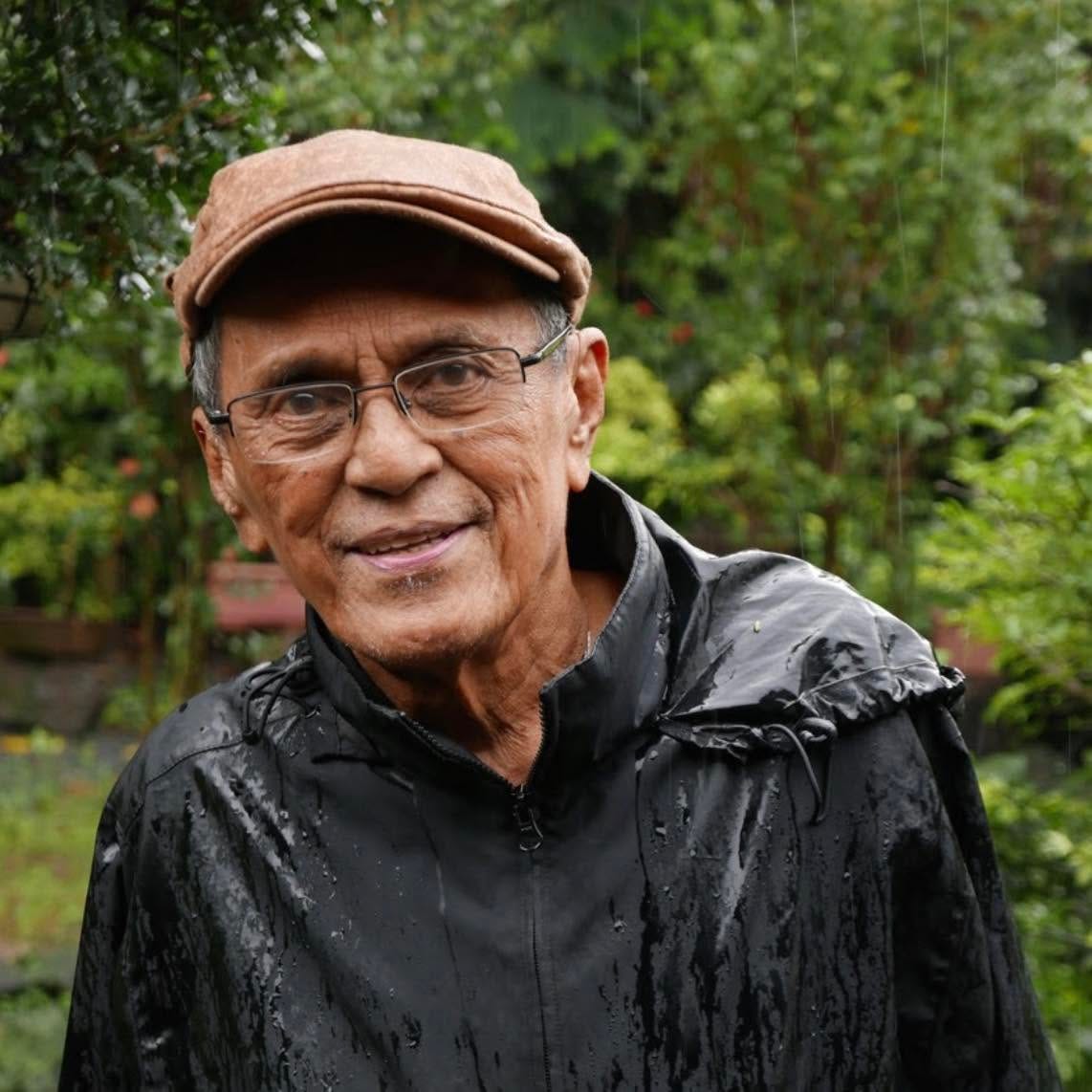
About a year after Ama passed away in 2022, a friend contacted me out of the blue.
She told me that, sometime in the 1990s, Ama had given her ₱300,000 to help her and her sister start a textbook publishing company. Unfortunately, the business did not thrive.
She had managed to pay back a small portion of the amount as interest, although she said Ama accepted it only reluctantly. He had always considered the money an investment, not a loan, and so he fully understood and accepted the risks.
Still, she wanted to return the entire principal. Would we accept it?
I told her immediately that I knew Ama would have refused. He had probably even forgotten about the whole thing. And if we accepted the money, I said, he might just come back to haunt us.
I assured her that Ama would have understood and appreciated her gesture.
If she truly wished to “return” what she considered a business loan, I suggested that she pay it forward instead—perhaps by using the money to support the studies of one or two disadvantaged students. Ama and Ina had previously supported two scholars from Pisay, and I knew that had given them both great satisfaction.
But it was entirely up to her, I told her. There was no need even to tell us what she ultimately decided to do with the money.
She wrote back shortly afterward. Since I was leaving the decision to her, she said, she had chosen to donate the money to CANVAS for our bookgiving programs.
I spoke with my brothers and sister, and we all agreed that it was a good compromise.
The following year, CANVAS published Hanapin ang Sagot: Ano ang Batas Militar? by Aldy Aguirre, Margarita Santos, and Ergoe Tinio.
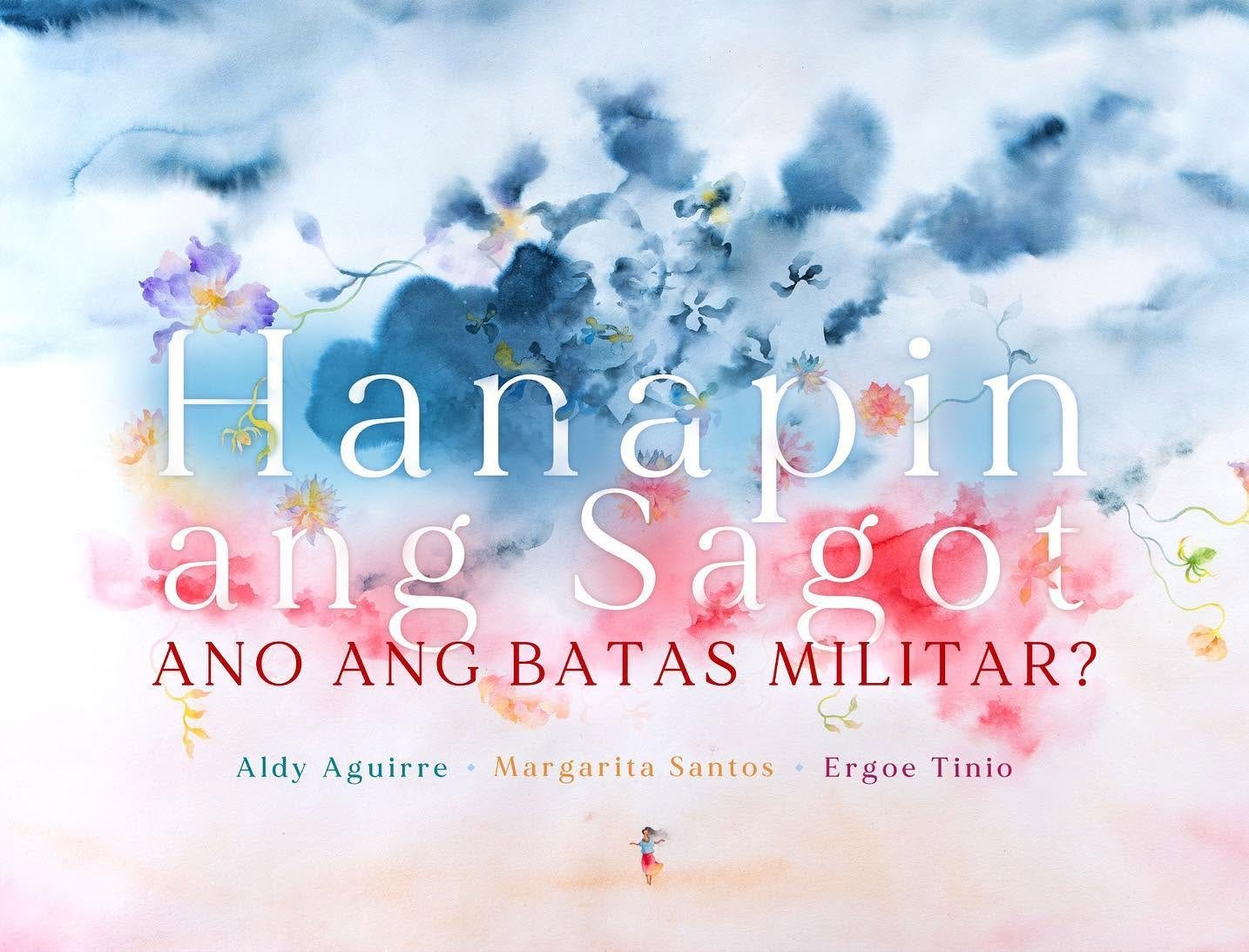
A nonfiction activity book, it introduces young readers to the history and realities of Martial Law under Ferdinand Marcos. Through historical facts, poetry, artworks, and visual-search activities, it encourages readers not simply to memorize the past, but to look closely, ask questions, recognize propaganda and abuses of power, and think critically about what happened.
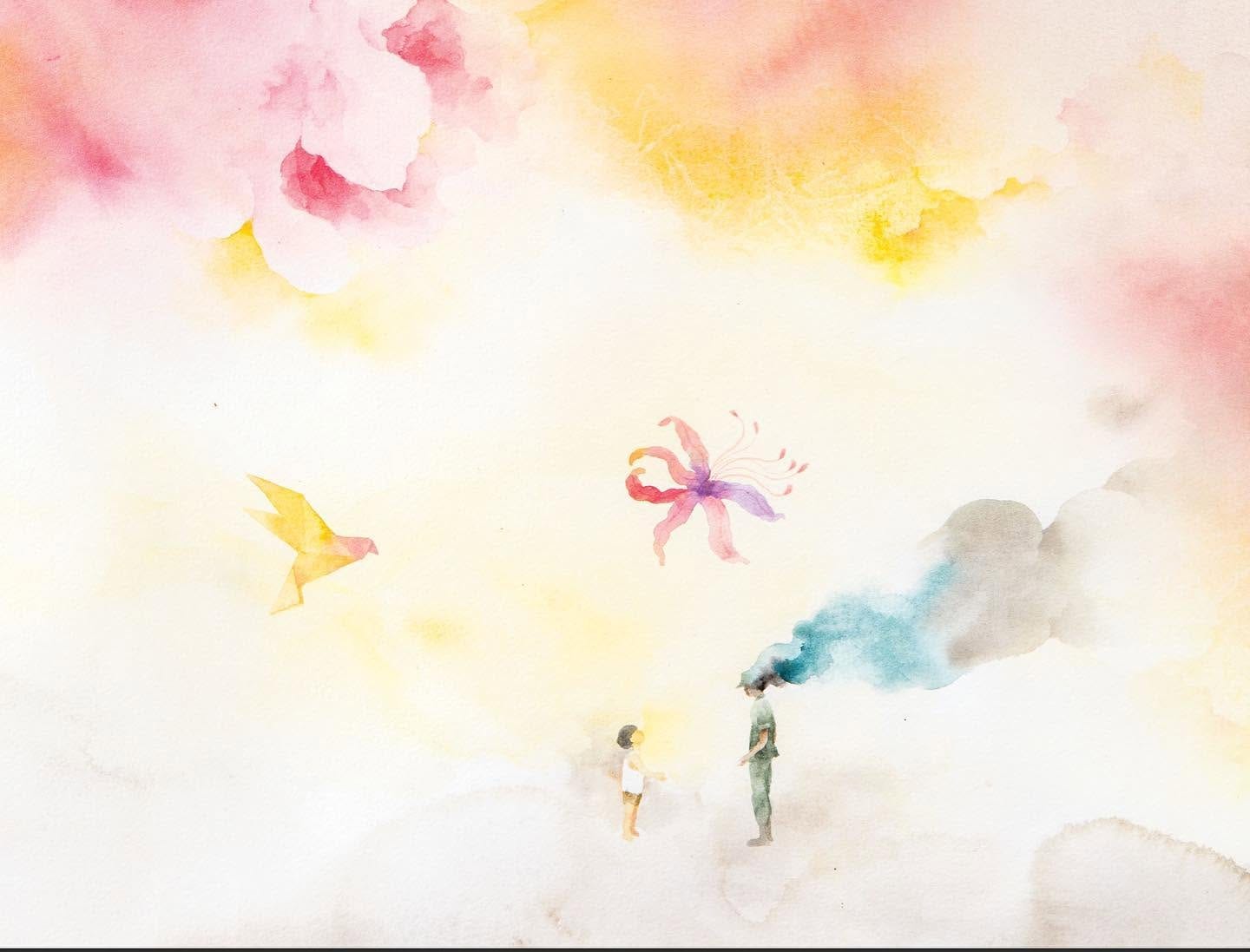
Illustrated by Aldy Aguirre, the book explores dictatorship, corruption, resistance, accountability, and hope. It reminds young readers that understanding history begins with the courage to search for answers.
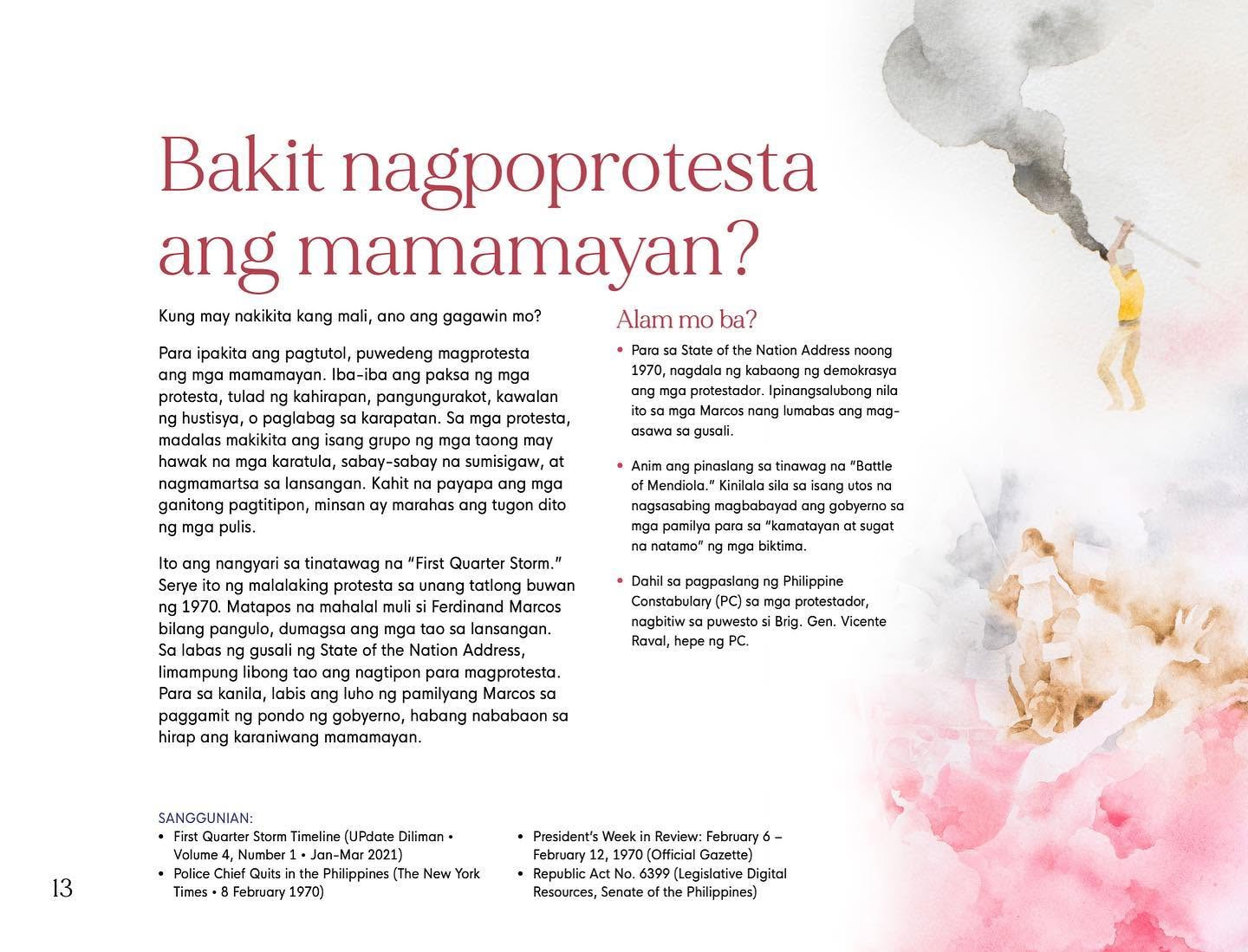
I think Ama would have been particularly happy with the book we chose to fund. He had always been a dreamer and, in his own way, had always been part of the broad struggle against the Marcos dictatorship.
The following year brought an unexpected epilogue: Hanapin ang Sagot was named one of the five Best Reads among all books published in 2022 and 2023 at the National Children’s Book Awards.
Giving and service without expectation or publicity is a great virtue that I wish more of our leaders have. This would then surely be a far better world.
We never knew about Ama’s loan/investment in that publishing business. We certainly never expected the money to be returned. Ama had already passed away, and our family had assured his friend that there was no reason to give it back.
Ama gave without expecting his money to return. His friend nevertheless gave it back without asking for anything in exchange. Together, those two acts of generosity set in motion a chain of events that, I think, will continue to ripple outward.
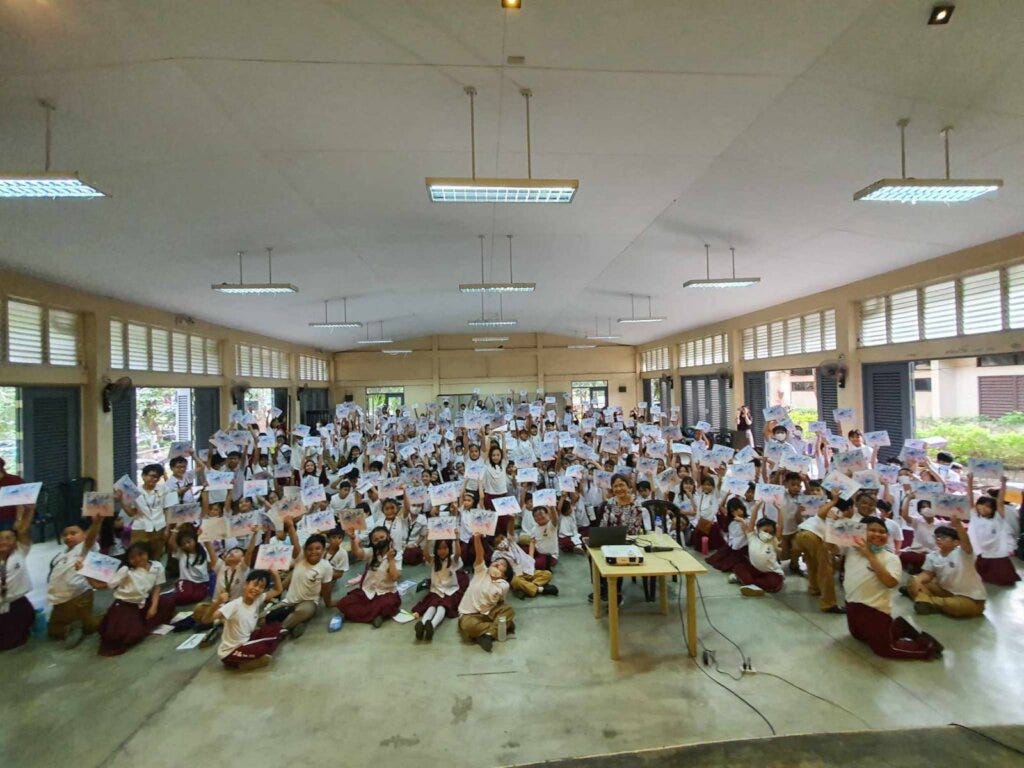
I like to imagine that if even just a handful of the children who receive the book are moved to learn more about our past and its lessons, then perhaps Ama’s contribution to this world will continue for generations.
Ama would have turned 90 years old today.
We remember. We rejoice. We celebrate.
Happy birthday, Ama!